IMEX Frankfurt 2026: Jenny’s Takeaways
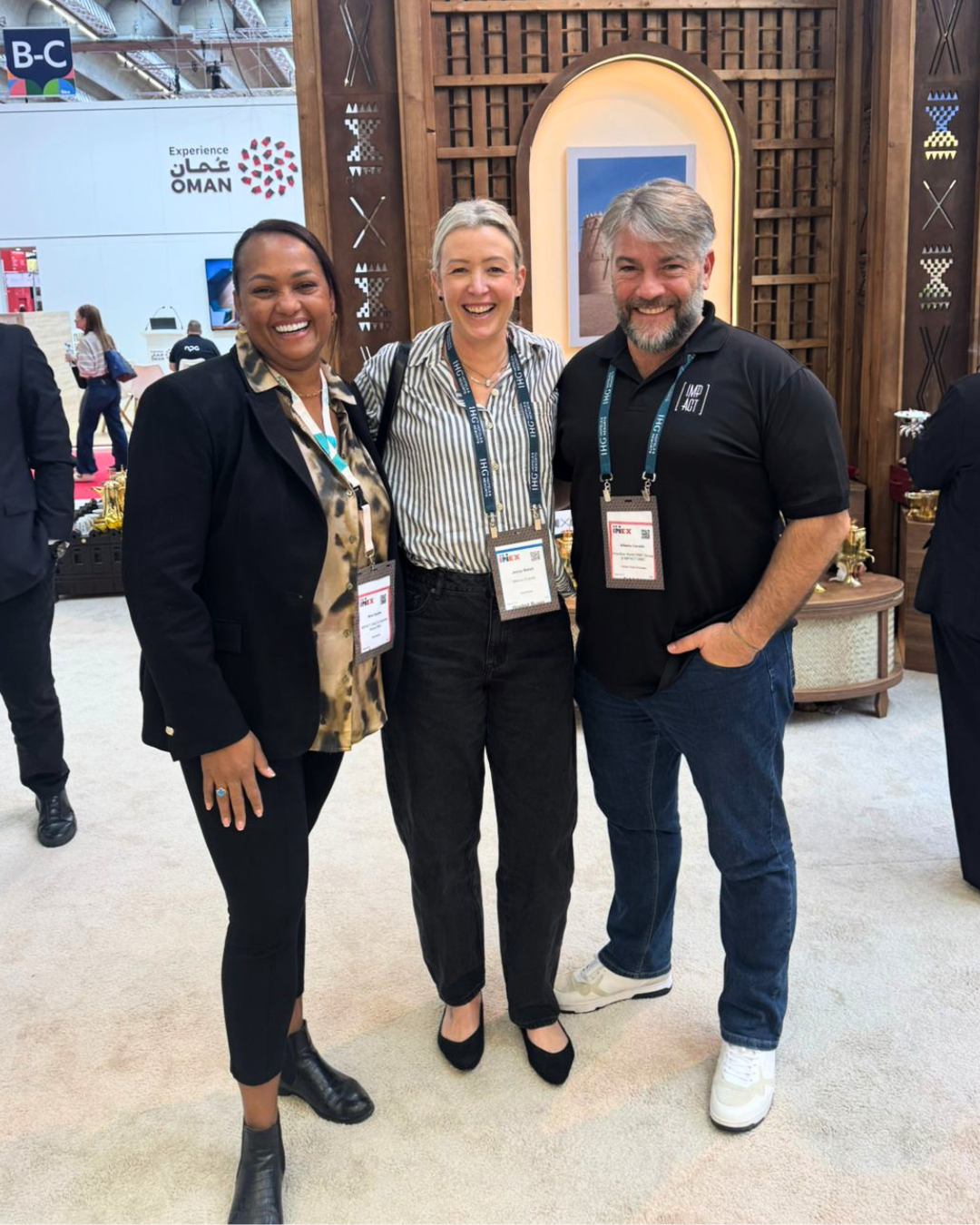
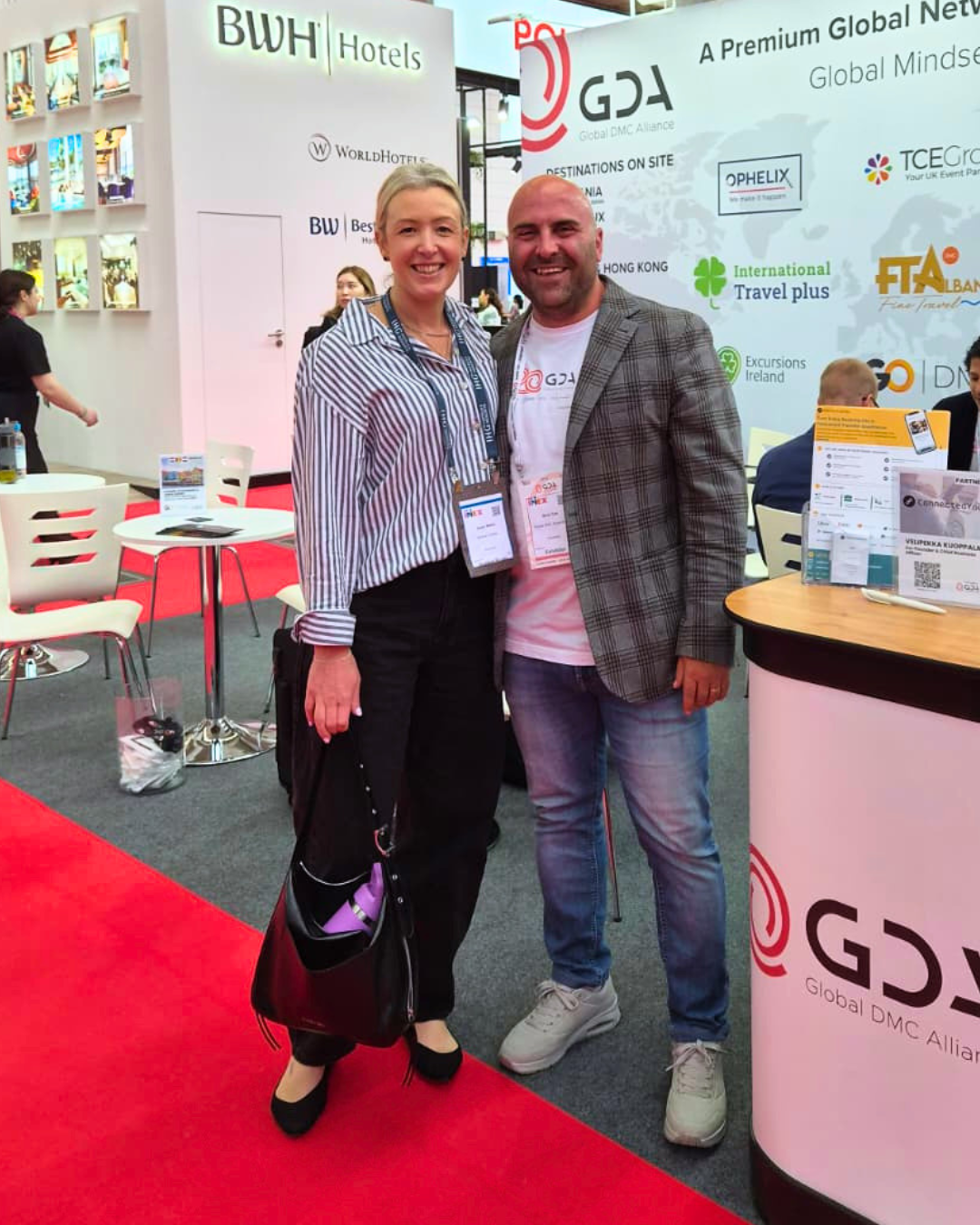
Jenny has recently returned from IMEX Frankfurt 2026, and while there were plenty of destinations, venues and ideas worth talking about, the biggest takeaway was not one shiny new thing.
It was the shift in conversation.
This year, the question was not simply, “Where should we go next?”
It was much bigger than that.
It was about access. Air routes. Value. Sense of safety. Political nuance. Stakeholder confidence. Budget pressure. Measurement. And whether an experience can genuinely justify the investment behind it.
For anyone working in business events, incentives or corporate travel, that matters.
Because destination choice is no longer just about choosing the place that looks most impressive on paper. It is about understanding how that place works for the brief, the audience, the budget, the business case and the outcome you are trying to create.
The magic was still there
Across the show floor, there was no shortage of inspiration.
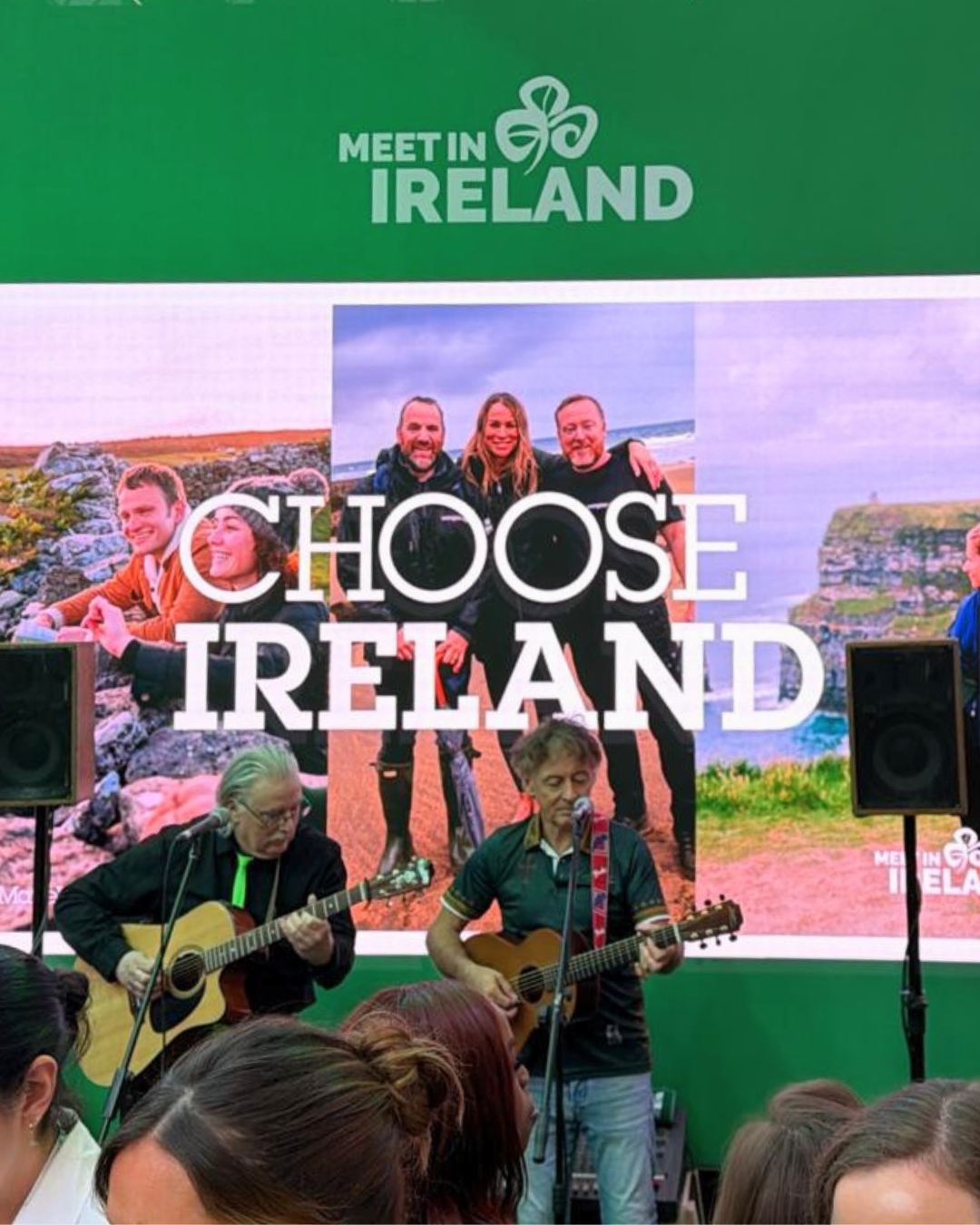
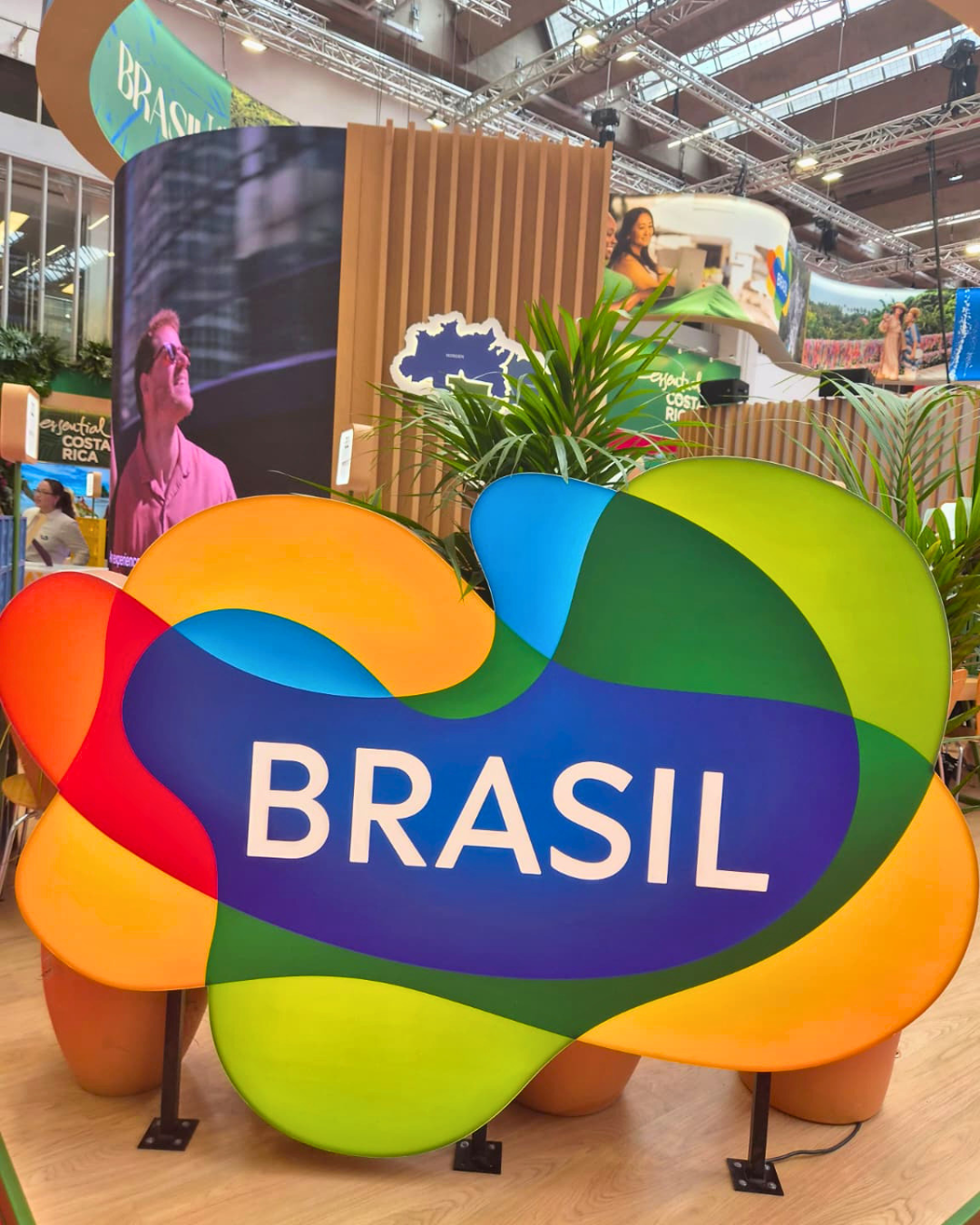
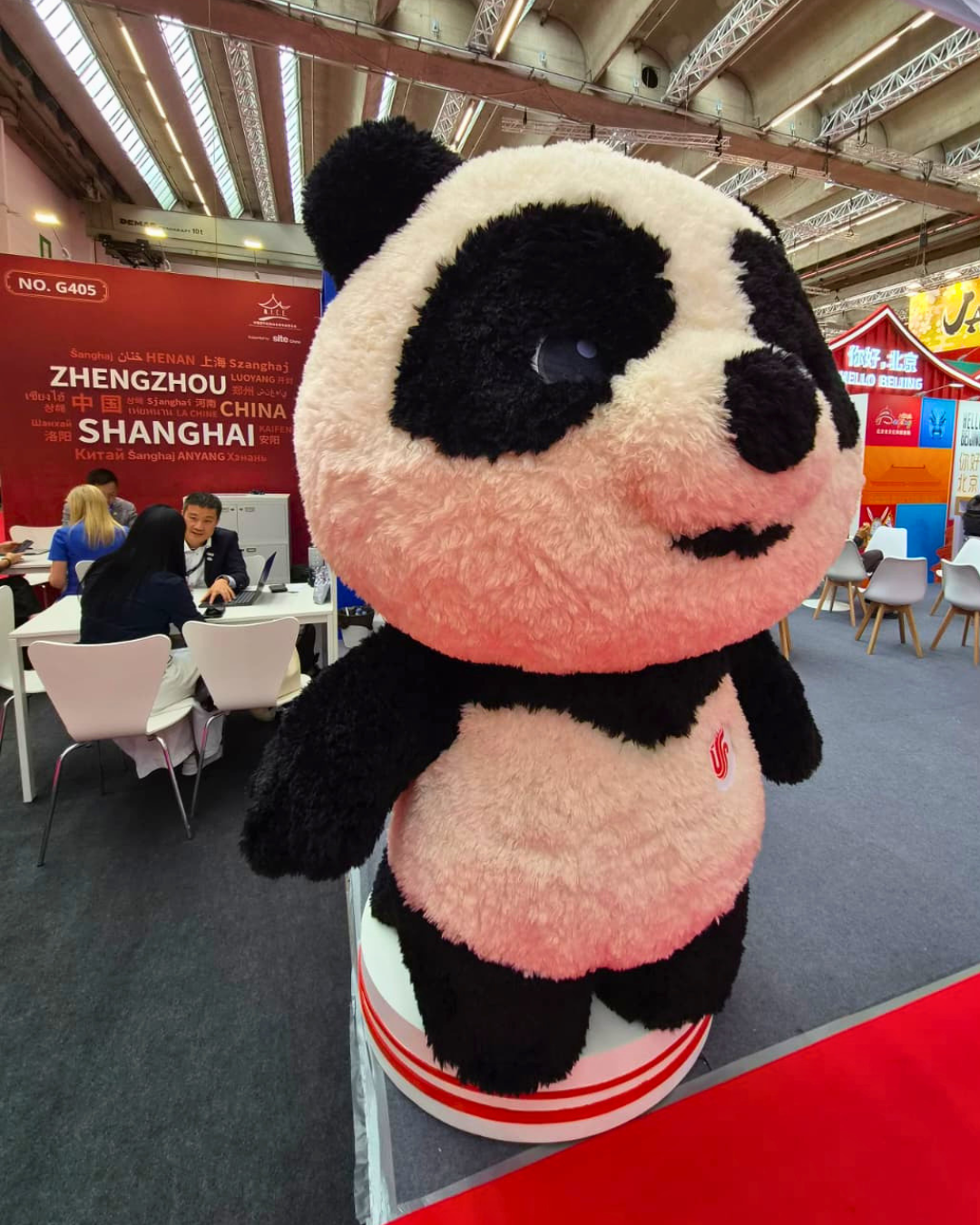
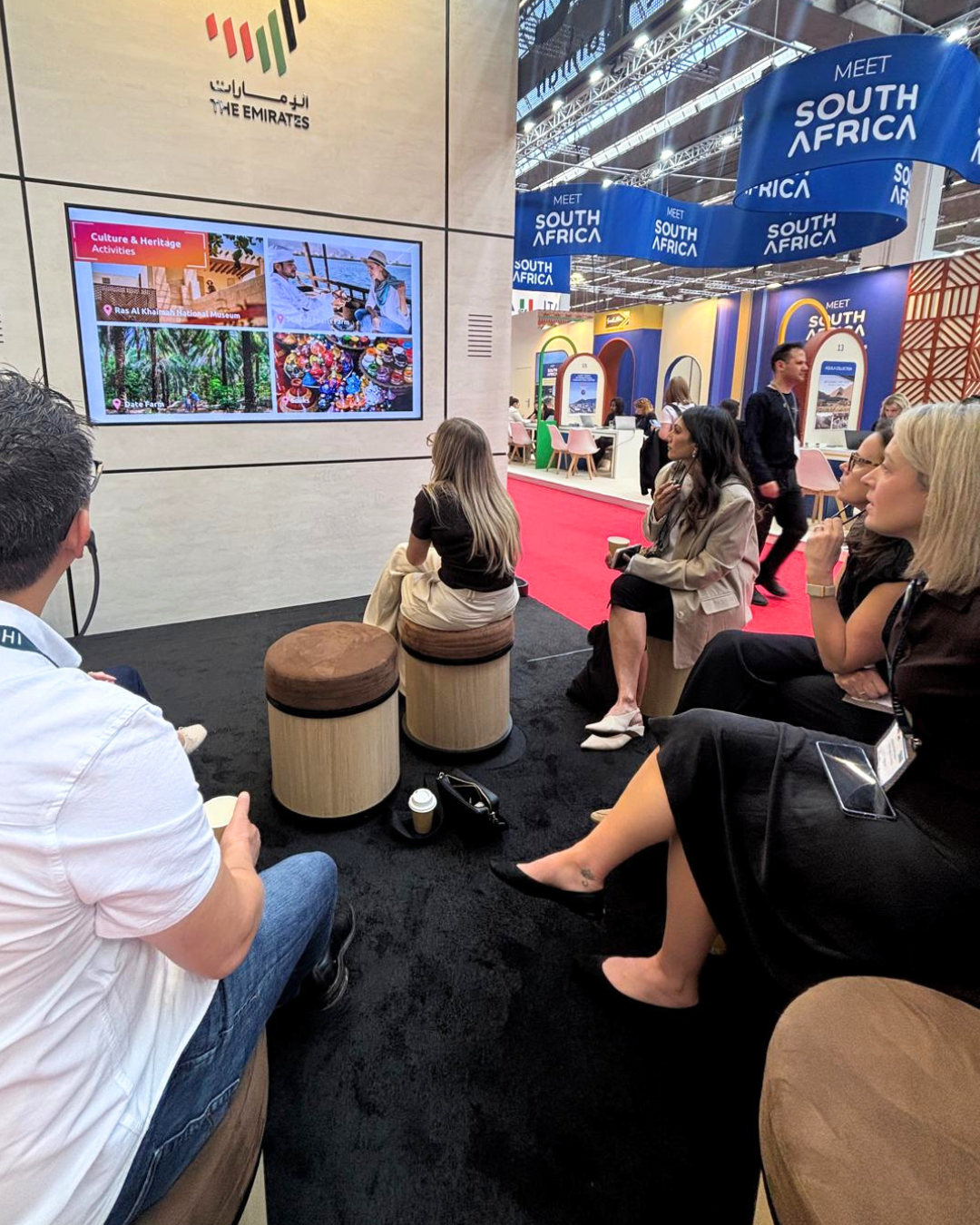
Brazil brought colour. Ireland brought music. Iceland brought drama. South Africa, Asia and so many others brought the kind of destination storytelling that makes you want to start planning immediately.
That is always one of the great strengths of IMEX. It brings the world into one place and reminds you how much possibility exists in the events and incentives space.
But underneath the visual energy, the destination showcases and the big “wow” moments, there was a more serious conversation happening.
How do we design events that people actually feel?
How do we prove the value of those moments afterwards?
How do we use data better, not just because it looks good in a report, but because it helps us make smarter decisions?
And how do we keep human connection at the centre, while still speaking the language of leadership, procurement and ROI?
That is where things get interesting.
Destination strategy is becoming more layered
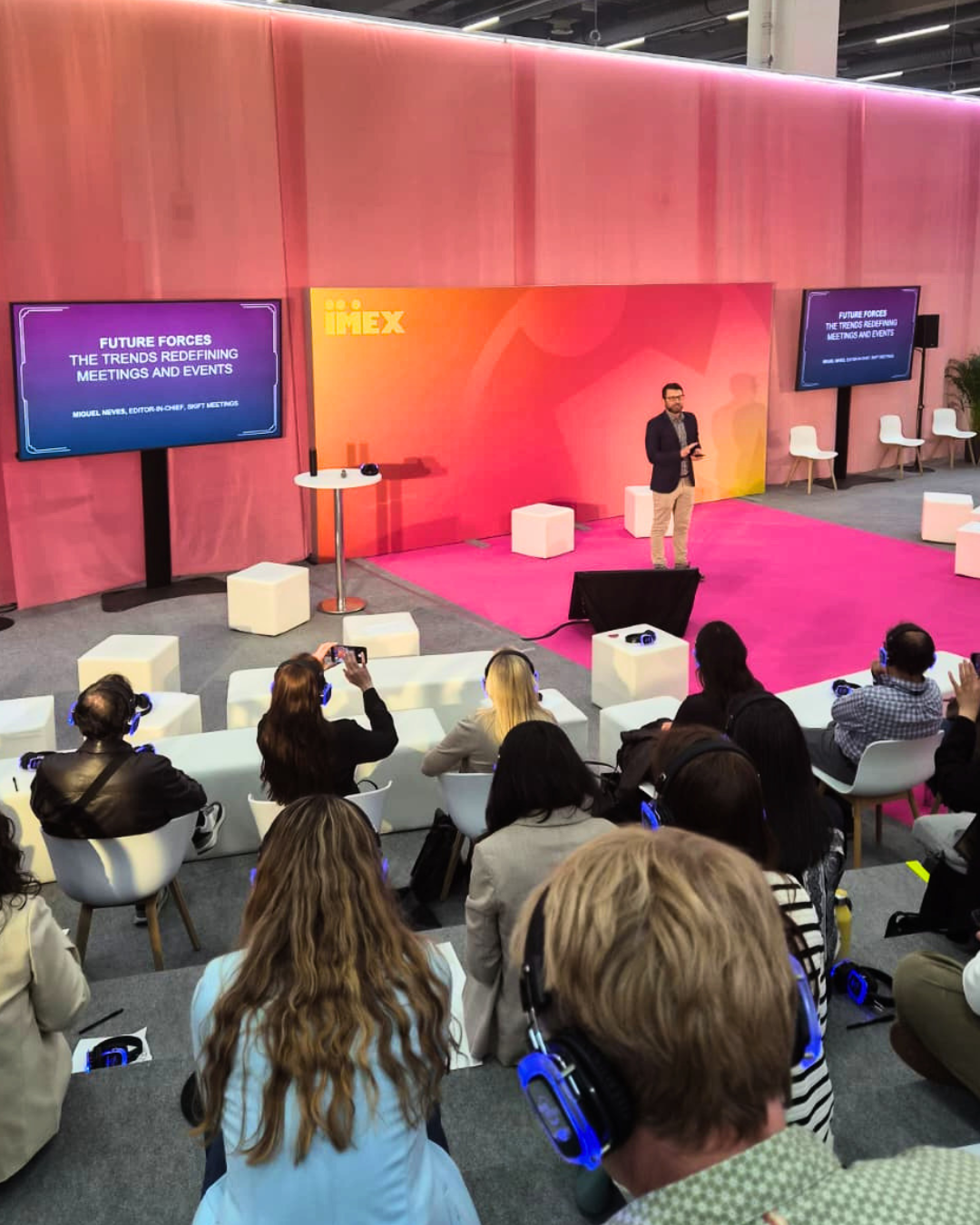
For a long time, destination selection has often started with the dream.
The resort. The conference venue. The gala dinner location. The view. The incentive itinerary that makes everyone say, “Yes, that is the one.”
Those things still matter. Of course they do. Events need energy, beauty, atmosphere and excitement.
But today, they also need to make sense.
A destination might look incredible, but can guests get there easily? Are flight routes reliable? Does the travel time support the length of the programme? Will the destination feel safe and accessible for the group? Does the cost stack up when you add airfares, transfers, accommodation, production and downtime? Will senior stakeholders understand why this location was chosen?
These are not the boring parts of event planning. They are the parts that protect the experience.
Because when the strategic foundations are strong, the creative work has room to shine.
ROI is not just a post-event conversation
One of the biggest themes to come through IMEX was the ongoing need to prove value.
Not in a cold, overly corporate way. The best events are still deeply human. They create connection, pride, motivation, loyalty and momentum. Those things are not always easy to measure, but they are absolutely valuable.
The opportunity is to define that value earlier. Before the venue is booked. Before the programme is built. Before the destination is selected.
If the goal is reward and recognition, what does success look like? Retention? Motivation? Internal engagement? A stronger culture of appreciation?
If the goal is a client conference, are we measuring leads, relationships, education, brand perception or pipeline influence?
If the goal is leadership alignment, are we looking at clarity, decision-making or team connection?
The stronger the question, the stronger the event.
ROI should not be something you scramble to prove after the final guest has left. It should be designed into the experience from the start.
Data is useful when it leads somewhere
There was also plenty of conversation about data, reporting and event technology.
This is not surprising. Event teams are under more pressure than ever to show what worked, what did not, and where investment should go next.
But data on its own is not strategy.
A post-event survey is useful. Registration insights are useful. Engagement metrics are useful. Sentiment, attendance patterns and feedback are all also useful.
But only if they help you make better decisions.
The real value is not in collecting more information for the sake of it. It is in knowing what to look for, how to interpret it and how to turn it into a better event next time.
Human connection is still the point
For all the talk of data, ROI and technology, IMEX also reinforced something much simpler.
People still need to come together.
In a working world shaped by hybrid teams, stretched budgets, fast-moving expectations and a lot of digital noise, face-to-face experiences still hold real power.
They build trust faster. They create shared memory. They give people a reason to look up, step out of the day-to-day and reconnect with the bigger picture.
But connection does not happen just because people are in the same room.
It has to be designed.
That means thinking carefully about arrival moments, session flow, networking formats, accessibility, wellbeing, cultural context, content, pace and space.
The role of the event partner is changing too
All of this points to a bigger shift in what clients need from an event partner.
Yes, they need creative ideas. Yes, they need strong supplier relationships, sharp logistics and calm delivery. Yes, they need someone who can pull together a beautiful room, a seamless incentive or a full-scale conference without the stress.
But increasingly, they also need a strategic filter.
Someone who can sense-check the destination. Challenge the brief. Understand the internal pressures. Spot the risk. Find the opportunity. Translate big ideas into something achievable. And help stakeholders feel confident in the decision before the investment is made.
That is the part we love.
The creative thinking, absolutely. The big destination energy, always. But most importantly, the strategy sitting behind it all.
Because great events are not built on ideas alone. They are built with the right event partner.
So, what does this mean going forward?
For corporate teams planning incentives, conferences or concentives, the message is clear.
Start earlier.
Think bigger than the destination.
Be clear on what the event needs to achieve.
Understand what your audience needs to feel.
Build the business case before the creative concept gets too far ahead.
And choose partners who can help you balance ambition with thoughtful strategy.
IMEX Frankfurt 2026 was a very good reminder that great events do not start with a destination.
They start by asking better questions.
And if you have one for us, you know where to find us.
All you need.
Contact us here.