
Your next incentive might already have a date
Most incentive programmes start with the same question…
Where should we go?
It is an important question. But it may not be the best place to begin.
Sometimes, the stronger starting point is:
What is happening in the world that would make the trip genuinely worth earning?
A major sporting event. A festival that transforms an entire city. Peak ski season. A cultural celebration. A natural phenomenon that only appears during a small window each year.
Building an incentive around one of these moments gives the programme an immediate story. It creates anticipation before anyone boards the plane and gives people a clear reason to want to qualify.
It also changes the destination conversation.
You are no longer simply proposing Melbourne, Singapore, Japan or Iceland. You are proposing centre-court energy at the Australian Open. A night race through Singapore. Cherry blossoms across Japan. Or the chance to see the Northern Lights in person.
The destination becomes connected to a moment people can picture themselves experiencing.
And that can be a powerful motivator.
Why calendar-led incentives work
A bucket-list event gives an incentive programme something many trips struggle to create: a natural centre of gravity and undeniable attraction.
It provides a headline moment around which the rest of the experience can be designed. It gives internal teams a stronger story to communicate. It can make the reward feel more distinctive and harder to recreate independently.
“Win a trip to Europe” sounds appealing.
“Earn your place at Wimbledon” gives people something far more specific to work towards.
The same applies beyond sport. Festivals, seasonal experiences and cultural events can all create a sense of urgency and scarcity. Guests know the experience is connected to a particular place and time. They cannot simply postpone it until another convenient weekend.
But the event itself is only part of the equation.
A ticket is not an incentive strategy.
The full programme still needs to reflect the audience, the business objective and the outcome the organisation is trying to create. It needs the right balance of anticipation, access, recognition, shared experiences and downtime.
Otherwise, you risk organising a group trip to a famous event rather than creating a reward programme that delivers something meaningful for the business.
A year of bucket-list incentive possibilities
The right moment depends on your people, your budget and what you want the programme to achieve.
Some events lend themselves to large, energetic sales incentives. Others are better suited to smaller leadership groups, top-tier performers or premium client programmes.
Here is a month-by-month starting point.
January: start the year with something worth chasing
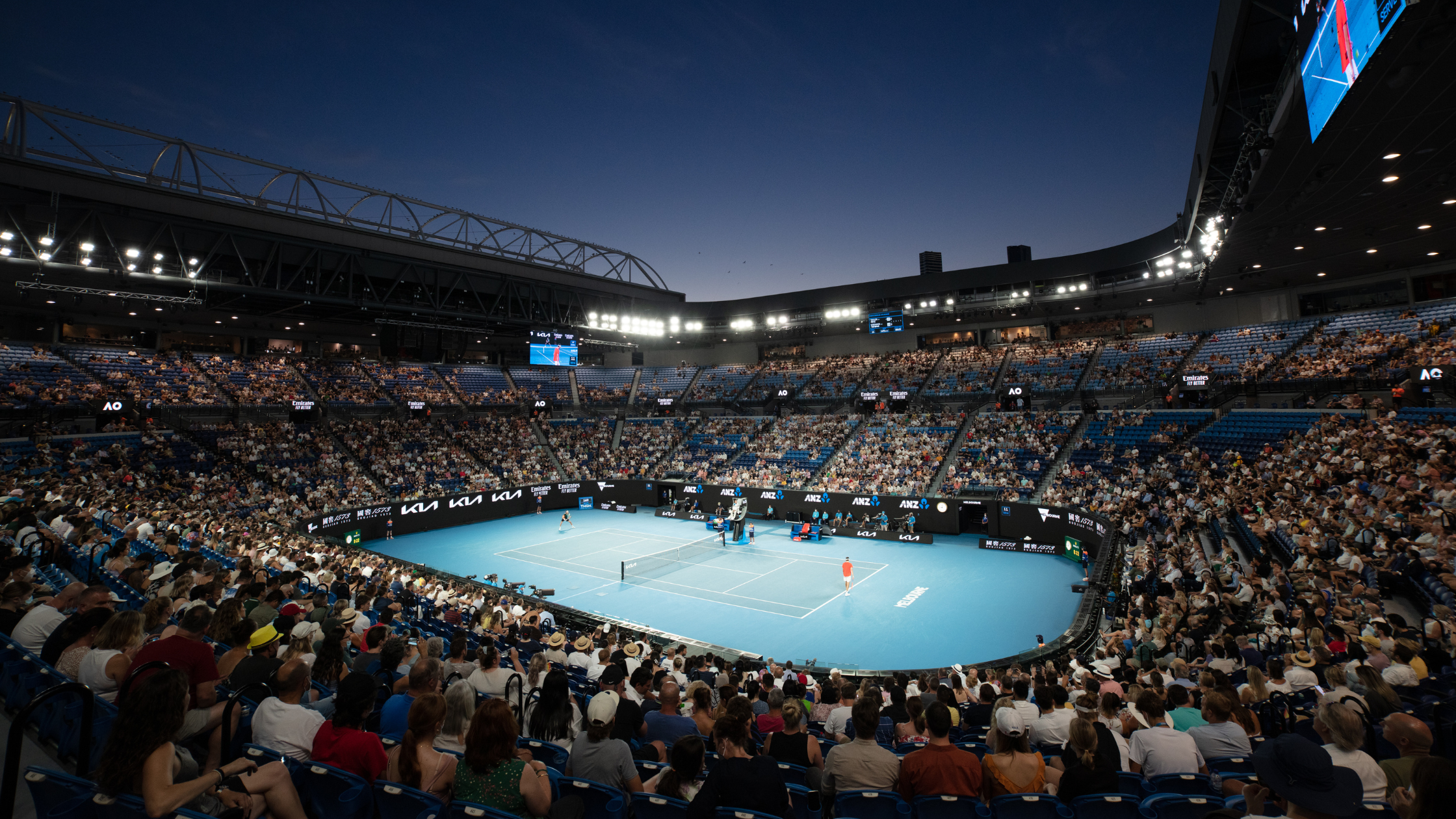
January offers a strong mix of sport, winter and natural spectacle.
The Australian Open in Melbourne brings major-event energy without requiring New Zealand groups to travel halfway around the world. It can work particularly well for teams that value great food, city experiences and a sporting occasion that still leaves room for a broader itinerary.
At the premium end, the Snow Polo World Cup in St Moritz offers a very different proposition. This is likely to suit a smaller, top-tier group where exclusivity and exceptional access matter more than scale.
Then there is Northern Lights season in Iceland. It is visually spectacular and naturally bucket-list worthy, but it also needs to be approached with the right expectations. Weather does not read the run sheet, unfortunately. A strong supporting programme is essential so the experience still delivers even if nature shifts beyond the usual patterns.
February: high energy, high emotion
February is full of events that completely transform their destinations.
The Sapporo Snow Festival in Japan brings together winter scenery, large-scale ice installations and a city-wide sense of occasion. It could suit a group looking for something culturally distinctive, particularly when paired with Japanese hospitality, dining and winter experiences.
Rio Carnival offers colour, music and unmistakable energy. But it also brings crowds, high demand and operational complexity. This is not a destination where you simply book a hotel, secure tickets and hope the rest sorts itself out.
The Super Bowl is another strong incentive anchor, particularly for audiences who respond to major sport, entertainment and premium hospitality. The host city changes, which means the destination and programme possibilities change with it.
In all three cases, the headline event creates the excitement. The planning around it determines whether the experience feels exhilarating or exhausting.
March: sport, colour and seasonality

The Australian Grand Prix in Melbourne can give corporate groups a high-energy sporting experience within a city that already understands major events. The race may be the headline, but the wider value comes from what can be designed around it: dining, hospitality, private experiences and time for guests to enjoy the destination.
In India, Holi offers one of the world’s most recognisable cultural celebrations. It can create an extraordinary shared moment, but it needs thoughtful planning, cultural understanding and trusted local expertise. The experience should feel respectful and connected to place, not as if a celebration has simply been added to an itinerary for visual effect.
March can also mark the beginning of cherry blossom season in Japan. The exact timing varies by location and conditions, so building a brilliant programme regardless matters. The reward is a destination at one of its most anticipated and visually memorable times of year, but never promised.
April: tradition with a sense of occasion
April brings several events with strong cultural identities.
The Masters in Augusta is one of golf’s most recognised events and an obvious draw for the right audience. Access, accommodation and hospitality require early consideration, making it better suited to programmes where the event has genuine value for the group rather than being chosen purely because it is prestigious.
Songkran in Thailand creates a completely different kind of energy. The Thai New Year celebrations take over streets and communities, offering a lively cultural experience that can become a memorable part of a wider incentive programme.
For a slower-paced seasonal anchor, the Keukenhof tulip season in the Netherlands gives groups a reason to visit during a particularly distinctive window. It can work well as one element within a wider European programme rather than needing to carry the full itinerary alone.
May: film, fashion and famous sporting stages
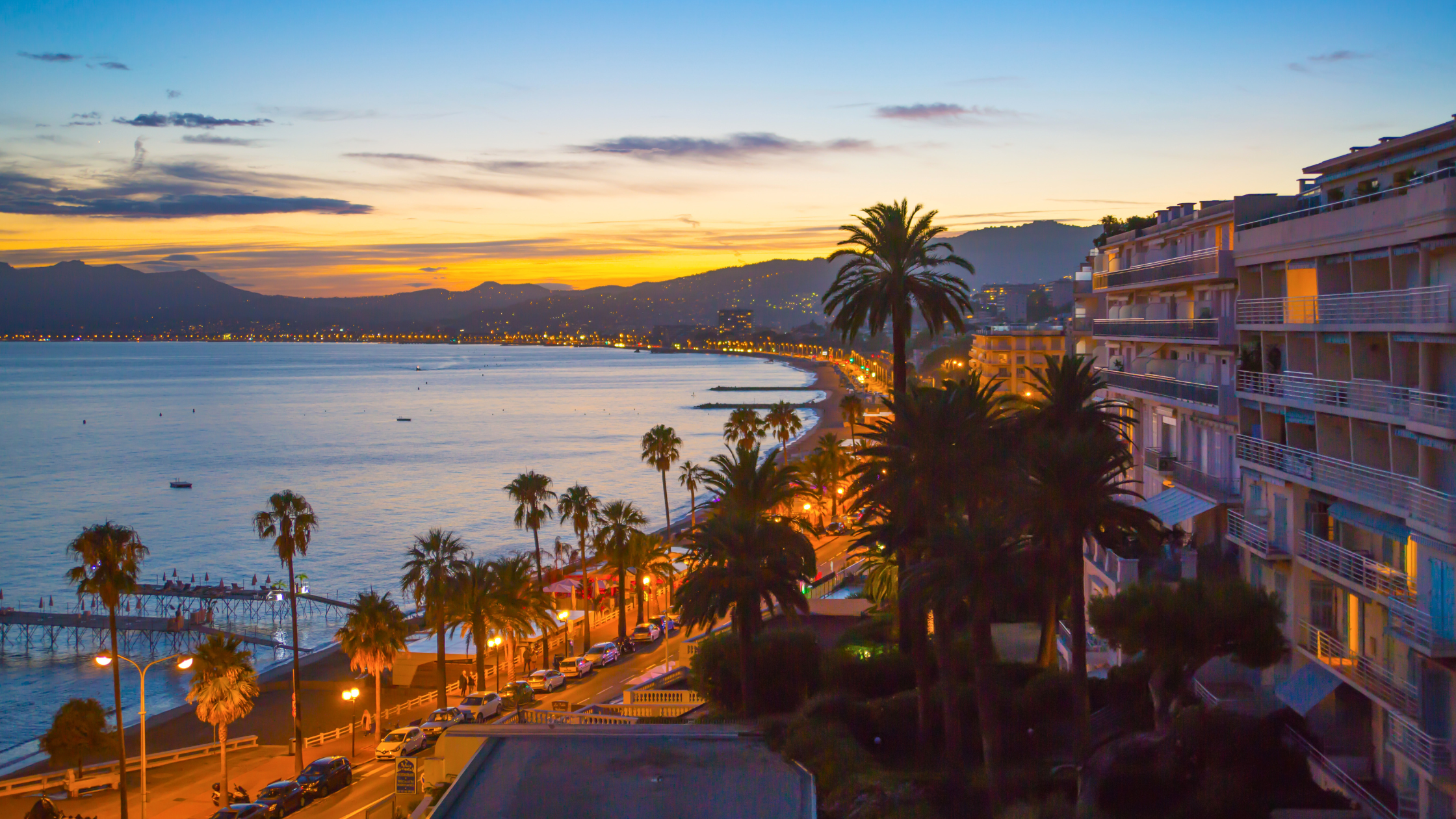
The Cannes Film Festival turns the French Riviera into an international meeting point for film, media, fashion and hospitality. It offers enormous appeal, but also some of the year’s highest pressure on access and accommodation in the region.
The Kentucky Derby combines sport with a strong social and cultural identity. For the right audience, the traditions, hospitality and atmosphere surrounding the race can provide as much programme value as the race itself.
In Paris, Roland-Garros offers another strong sporting anchor. It can be paired with the city’s food, design, culture and private event possibilities, creating a programme that works for tennis fans without requiring every guest to spend the entire trip courtside.
That balance is important. The headline moment should unite the group, but the wider experience still needs enough range to appeal to different personalities.
June: iconic events with very different audiences
Royal Ascot offers tradition, hospitality and a strong sense of occasion. It can suit programmes where client entertainment, senior relationships or polished group experiences are part of the brief.
The Monaco Grand Prix sits at the highest end of the event-led incentive spectrum. The setting, hospitality and global profile are undeniable. So are the demand, access challenges and commercial considerations.
It is a good example of why the most famous option is not automatically the right one. Sometimes the value is there. Sometimes another race, destination or date creates a stronger overall programme with fewer compromises.
July: established events with broad appeal

Wimbledon brings history, tradition and global sporting significance. It can form the centrepiece of a premium London programme, particularly when the itinerary creates a wider sense of place rather than treating the city purely as a base for the tournament.
The Tour de France offers a more mobile opportunity. Depending on the route and stage, groups may experience a major city, a mountain setting or a smaller regional destination. That variety creates possibilities, but it also increases the importance of selecting the right location and viewing experience.
The Calgary Stampede offers something completely different: large-scale entertainment, western culture, live events and a city fully engaged in the occasion.
The common thread is atmosphere. Each event gives guests the feeling that they have arrived somewhere at exactly the right time.
August: culture, snow and New York energy
The Edinburgh Festival Fringe turns Scotland’s capital into a city-wide celebration of performance and creativity. It offers an enormous range of experiences, but that abundance needs curating. Guests should feel as though they are seeing the best of the festival, not navigating an overwhelming list of options.
Closer to home, Queenstown ski season can deliver a genuine reward without adding long-haul travel. Snow experiences, fireside dinners, adventure activities and premium accommodation can be shaped around many different audiences and budgets. There’s something pretty special about experiencing your own country through an incentive lens - trust us!
The US Open in New York combines a major sporting event with one of the world’s most energetic cities. It can support a programme with broad appeal because tennis does not have to carry every day. Food, culture, neighbourhoods, entertainment and private experiences can all play supporting roles.
September: film, fashion and European motorsport
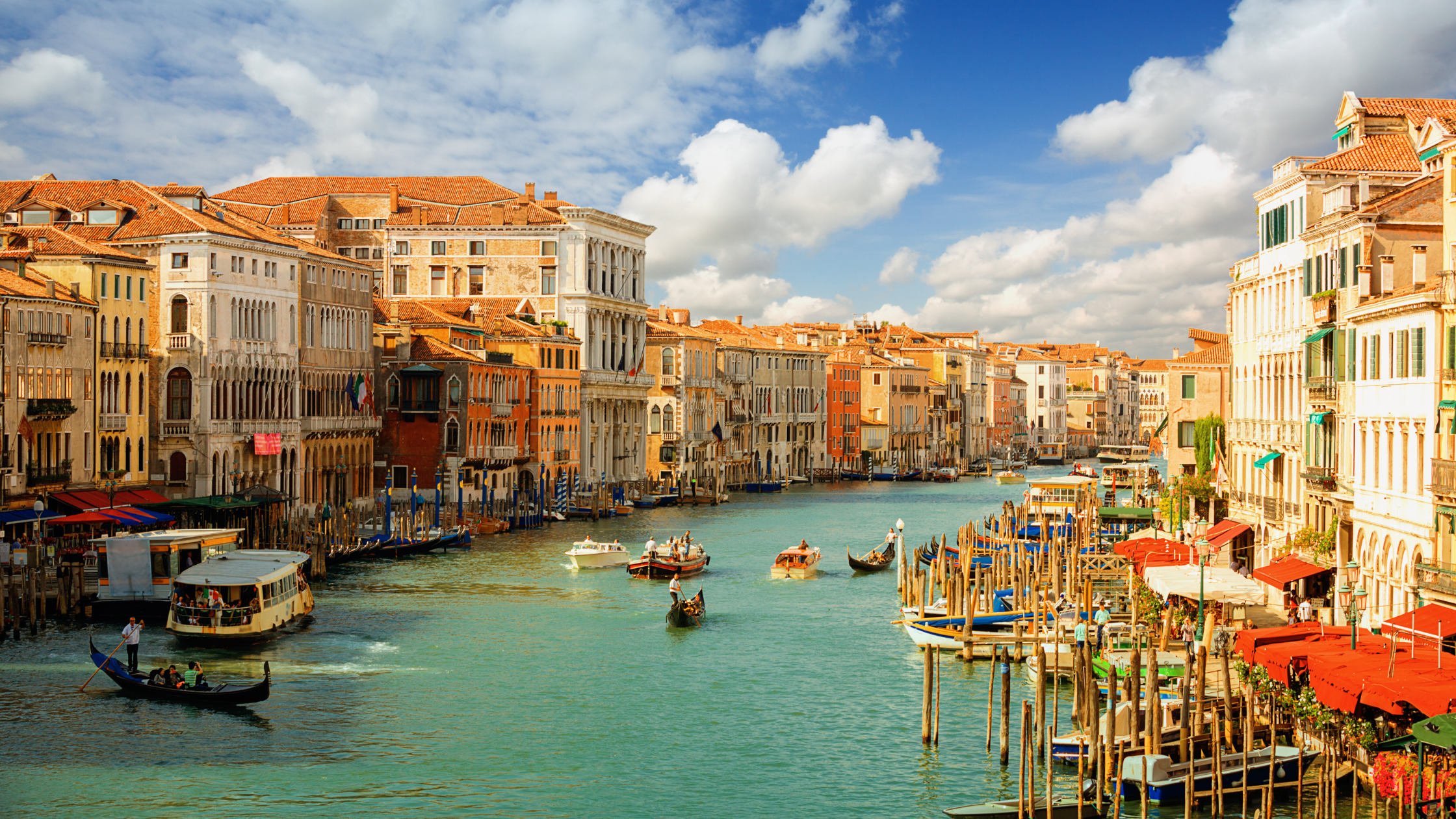
The Venice Film Festival gives guests the opportunity to experience Venice during one of its most internationally recognised events. It is cinematic by nature, but it also needs careful thinking around movement, accommodation and access.
The Toronto International Film Festival offers a more contemporary city setting, with film, dining, culture and business-event infrastructure that can support a wider programme.
For motorsport audiences, the Italian Grand Prix at Monza brings heritage, speed and passionate local energy. It can also become part of a larger Italian itinerary, rather than operating as a standalone race weekend.
That wider programme design is often where the incentive becomes more distinctive. The event draws people in. The experiences around it create the connection.
October: spectacle with strong programme potential
The Albuquerque International Balloon Fiesta creates one of the most visually recognisable event settings in the world. It can offer genuine spectacle, but weather, early starts and viewing logistics need to be factored into the overall guest experience.
The Singapore Grand Prix is an especially interesting option for New Zealand incentive groups. It combines a major night race with dining, entertainment, strong event infrastructure and a destination that can comfortably support a wider corporate programme.
It also demonstrates why access should be part of the conversation from the beginning. Air New Zealand currently lists daily services to Singapore’s Changi Airport, while the official 2026 Formula 1 calendar places the Singapore Grand Prix in October. That combination can make Singapore operationally attractive for an event-led programme departing from Auckland, although schedules and availability should always be confirmed for the intended travel period.
The Mexico City Grand Prix provides another high-energy option, with the race atmosphere supported by an extraordinary food, culture and design scene.
November: celebration season, turned up slightly
The Melbourne Cup Carnival offers strong event energy within a familiar and accessible city environment. It can suit groups interested in racing, hospitality and a social programme with plenty happening beyond the track.
The Las Vegas Grand Prix delivers motorsport on a very different scale. The race sits within a destination already built around entertainment, hospitality and spectacle. The opportunity is obvious, but restraint matters. A programme still needs rhythm, space and purpose. More is not automatically more memorable.
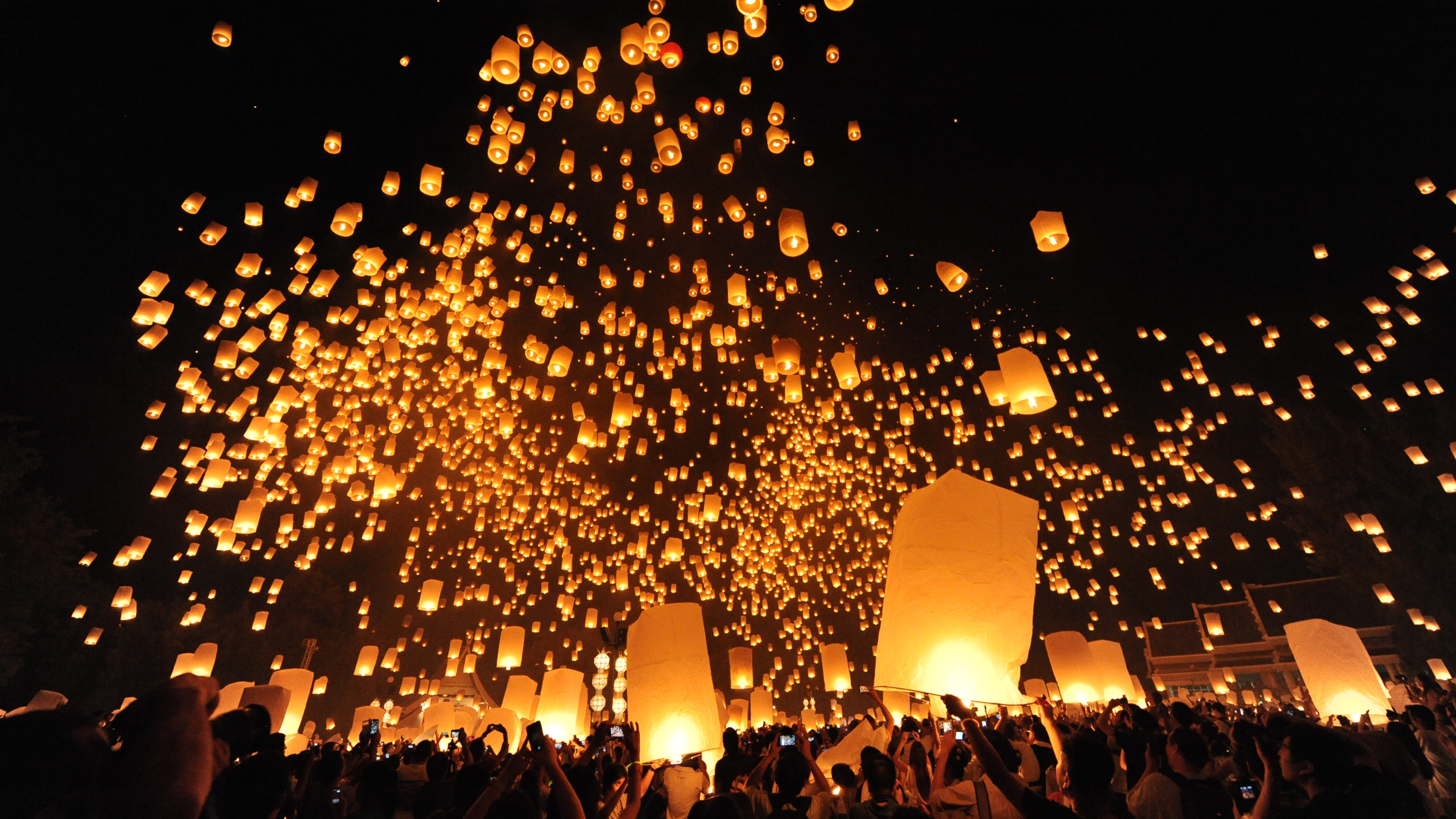
Thailand’s Yi Peng Lantern Festival offers a quieter and more reflective kind of bucket-list moment. The visual impact is considerable, but the experience should be approached with cultural care and realistic expectations around access, timing and local conditions.
December: finish the year somewhere memorable
Art Basel Miami Beach brings together art, design, hospitality and a city in full event mode. It can suit creative industries, client programmes and groups that respond to culture more strongly than traditional sporting incentives.
The Sydney to Hobart Yacht Race offers a major event closer to home and can be built into a Sydney summer programme with waterfront experiences, dining and celebration.
The Abu Dhabi Grand Prix closes the Formula 1 season and can anchor a broader UAE itinerary. For the right audience, it offers a combination of sport, premium hospitality, warm weather and destination experiences.
December can be a difficult month for corporate travel because of year-end pressure and personal commitments. But when timing and audience fit align, it can also provide an exceptional recognition moment to close the year.
Bucket-list does not have to mean difficult to reach
One of the biggest assumptions in incentive planning is that a memorable reward needs to involve a complicated journey.
It does not.
Direct access can be part of the experience strategy if that’s what matters to your team.
Singapore F1 is a strong example. The night race creates a clear bucket-list centrepiece, while Singapore offers hotels, dining, private venues and experiences that can support the programme around it.
But direct access is not the only consideration.
A convenient destination still needs to be right for the people attending. The event needs to appeal to them. The programme needs to feel worth earning. And the investment needs to connect back to real, measurable ROI.
The event should serve the business objective
That might be to:
motivate sales performance
retain top talent
strengthen relationships with clients or partners
recognise exceptional contribution
improve connection across a leadership team
reinforce a company’s culture and values
The right anchor event can support those outcomes because it creates excitement and gives the programme a strong identity.
The wrong one can absorb a significant part of the budget without creating much value beyond the ticket itself.
That is why Motive starts with the goal and builds an incentive strategy around it.
Who needs to be motivated? What would feel meaningful to them? What behaviour or result is the business trying to encourage? How should guests feel before, during and after the experience?
Only then should the destination and event be locked in.
What sits behind an effortless incentive
The best event-led programmes feel easy for guests.
They arrive. They know where to go. The pace feels right. The important moments land. The experience feels exciting without becoming tiring.
Behind that ease sits a long list of decisions.
High-demand events can bring restricted hotel availability, premium pricing, ticketing conditions, minimum stays, road closures, changing transfer routes and limited access to the best venues and suppliers.
Cultural celebrations and natural phenomena introduce their own considerations. Local customs need to be understood. Seasonal conditions can change. Contingencies need to feel just as considered as the original plan.
Trusted on-the-ground relationships make a significant difference here.
Not because a local partner simply knows where to book dinner, but because they understand how the destination behaves during its busiest or most important moments. They know which areas become difficult to move through, which promises are realistic and where access genuinely adds value.
That is the part guests should never need to see. And why having a good event partner is particularly important.
Planning your next incentive? Let’s find the right moment and build the programme around it.